To avoid malware — think malicious and software combined into one menacing package — the best defense is a good offense.
When it comes to prevention, there’s one key component that has more impact than any other when it comes to keeping your computer, or any device, safe.
“The single biggest factor in preventing a malware infection on your PC is you,” according to PCWorld magazine. “You don’t need expert knowledge or special training. You just need vigilance to avoid downloading and installing anything you do not understand or trust, no matter how tempting.”
Start With Common Sense
 The best plan is to prevent a malware infection from occurring in the first place by following these best practices:
- Install antivirus software on your computer. Then make sure it’s configured correctly and always updated. The most important thing you can do is open the program, check for updates and install them.
- Install software updates as they occur, too, particularly for your operating system. Many of these patches address security issues.
- Don’t open emails or attachments from sources you don’t know or trust. Even if you do know the sender, be careful about opening anything you weren’t expecting.
- Be cautious when downloading software online by relying on reputable sites, avoiding misleading advertisements, declining additional software and understanding what your download entails.
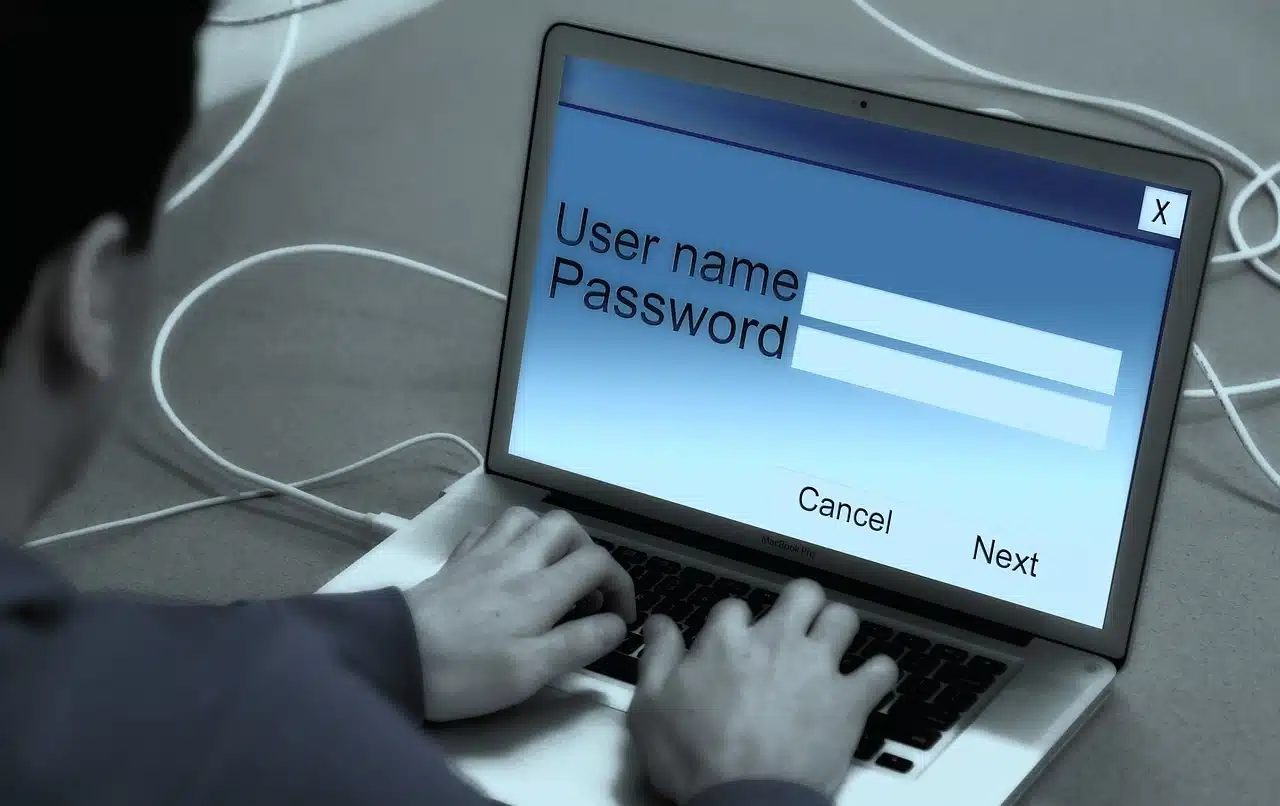
- Use strong passwords. You know what you need to do: Follow some common sense rules when creating a new password. You might even consider using a password manager to help keep them strong and organized.
It’s Hard to Get Rid of Malware
Even when you take precautions, sometime a malware attack can happen — from the viruses, Trojan horses, worms or ransomware that continuously evolve. Because each of those forms has its own way of infecting and damaging computers and data, each requires a different removal method.
Some programs can be uninstalled, but other malware can be far more complicated to remove. Malware is designed to be difficult to remove; remember that it’s malicious. This is when you need the help of an IT security expert who can monitor and respond to any security breaches.
Prevention Is the Best Cure
 The dangerous cyber landscape is why it’s so important to guard against malware. Ultimately, the best protection comes from safeguards that are an integral part of your network infrastructure, software and management right from the start.
Ensuring your IT environment is safe and secure allows you to conduct business with confidence. Malware threats loom in email, cloud services and information systems. Given the advancements in cyberattacks, it’s more important than ever for businesses to shield their critical data from security threats. V2 Systems can help secure your network and protect your information.
Since 1995, Manassas Park, VA-based V2 Systems has employed local systems administrators, network engineers, security consultants, help desk technicians and partnering companies to meet a wide range of clients’ IT needs, from research, to implementation, to maintenance. Concentrate on your VISION…We’ll handle the TECHNOLOGY!