

Does Your Business Need an AI Acceptable-Use Policy? Yes.
AI can improve productivity, but without clear guidelines, it can also introduce security, privacy, and compliance risks. Learn why your business needs an AI acceptable-use policy and how V2 Systems’ NEW Managed AI Services for Business can help you approach AI adoption responsibly.
What Information Should Employees Never Put Into AI?
AI tools can boost productivity, but sharing the wrong information can put your business at risk. Learn what employees should never enter into unapproved AI tools, from confidential business data and customer information to passwords, intellectual property, and CUI.

Before You Turn on AI, Find Out What It Can See
AI can search and summarize company information much faster than an employee browsing folders manually. Learn why businesses should review permissions, sharing, and data access before connecting AI to workplace systems.

ChatGPT, Copilot, Gemini, or Claude: Which AI Is Right for Your Business?
There is no single best AI platform for every business. Learn how to compare ChatGPT, Microsoft Copilot, Google Gemini, and Claude based on your technology, data, security requirements, costs, and business goals.

Free AI or Paid AI? Why Your Business License Matters
A paid personal AI account is not necessarily the same as a business license. Learn what organizations should consider when comparing free and paid AI tools, including data protection, administration, access, and cost.
AI Is Already in Your Workplace. Do You Know How It’s Being Used?
Employees may already be using ChatGPT, Copilot, Gemini, Claude, and other AI tools for everyday work. Learn how to identify shadow AI and begin managing it without slowing down responsible innovation.
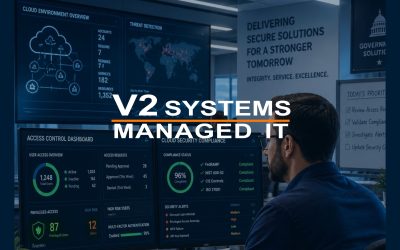
What Government Contractors Get Wrong About Secure Cloud Environments
Secure cloud environments require more than moving files into Microsoft 365, SharePoint, or another cloud platform. For government contractors, controlled access, proper configuration, CUI scoping, enclaves, and shared system responsibilities all matter. This blog explains what GovCons often get wrong about cloud security and how to stay aligned with current CMMC expectations.
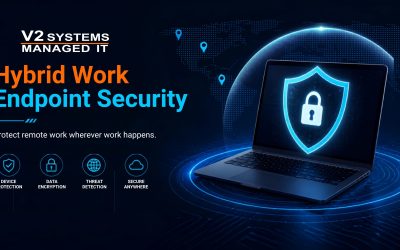
Hybrid Work in 2026: The Endpoint Problem That Never Went Away
Hybrid work is now a normal part of business, but the endpoint problem never went away. Laptops, mobile devices, remote access tools, and unmanaged personal devices can create cybersecurity risk when they are not properly secured. This blog explains how small businesses and government contractors can strengthen endpoint security in 2026.
CMMC Update: What Government Contractors Need to Know as of August 2026
The Department of War announced the immediate suspension of CMMC Phase II requirements on July 13, 2026, pausing upcoming third-party assessment mandates. However, Phase I self-assessments, NIST SP 800-171 Rev. 2, DFARS 252.204-7012, and core cybersecurity obligations remain active. This blog explains what government contractors need to know as of August 2026 and how to stay prepared during the review period.

Summer Cyber Risks: Why Attacks Spike When Teams Are Short-Staffed
Summer vacations, lighter staffing, remote work, and busy schedules can create cybersecurity gaps for small businesses and government contractors. This blog explains why attackers take advantage of short-staffed teams and what organizations can do to reduce risk during the summer months.
How can we help you?
Call us at 703.962.4508 or fill out the quick form below and we’ll hit you back right away.