Earlier this year, hackers took aim at the city of Atlanta, hobbling the city government’s vital data and computer systems. They used a pernicious form of malware — malicious software programs that can harm or disable your computer or mobile device while robbing you of time, money or your very identity.
That’s exactly what occurred in Atlanta, where Mayor Keisha Lance Bottoms said, “We are dealing with a hostage situation.” And recovery efforts have cost the city an estimated $2.6 million.
What happened in Atlanta, unfortunately, doesn’t stay in Atlanta. The city’s experience with digital extortion illustrates the dangers posed by hackers — and why businesses and individuals must do all they can to detect and prevent cyber attacks.
Threat Landscape Continues to Advance
Malware comes in a variety of forms. Destructive attacks that are aimed at wiping out data via such routes as computer viruses, Trojan horses and worms. Attacks using ransomware — like the one carried out in Atlanta — have a different objective: They perform a high-tech kidnapping by threatening to publish or withhold access to data unless a ransom is paid.
According to Wired, “2017 was a year of diverse, extensive, and deeply troubling digital attacks.” Studies indicate more than half of American adults were impacted by a malware attack last year. Highlights included:
- The Equifax data breach that exposed personal information for 145.5 million people
- Two separate critical infrastructure hacks, including one that caused a blackout in the Ukrainian city of Kiev
- The ongoing Yahoo data breach that exposed 3 billion accounts
- The WannaCry ransomware that infected hundreds of thousands of targets worldwide, including public utilities, large corporations and the United Kingdom’s national health service
And the pattern has continued in 2018, with Russian hackers infiltrating U.S. power companies and Iranian hackers targeting U.S. universities, for instance.
“Cybercrime will remain a remarkably lucrative business model for the foreseeable future and, like legitimate industries, will continue to evolve through efficiencies, adaptation and innovation,” said security expert Chris Schueler of Trustwave, which recently surveyed companies about their biggest threats.
According to the Trustwave survey, Schueler added, “it’s this continuous advancement of the threat landscape, coupled with internal resource constraints, causing sleepless nights for those charged with securing assets.”
They have good reason to be worried. Cybersecurity Ventures predicts that cybercrime will cost $6 trillion annually by 2021 in terms of damage and destruction of data, stolen money, lost productivity, and theft of intellectual property, financial data and personal information. And that’s just part of the list.
The Best Defense Is a Good Offense
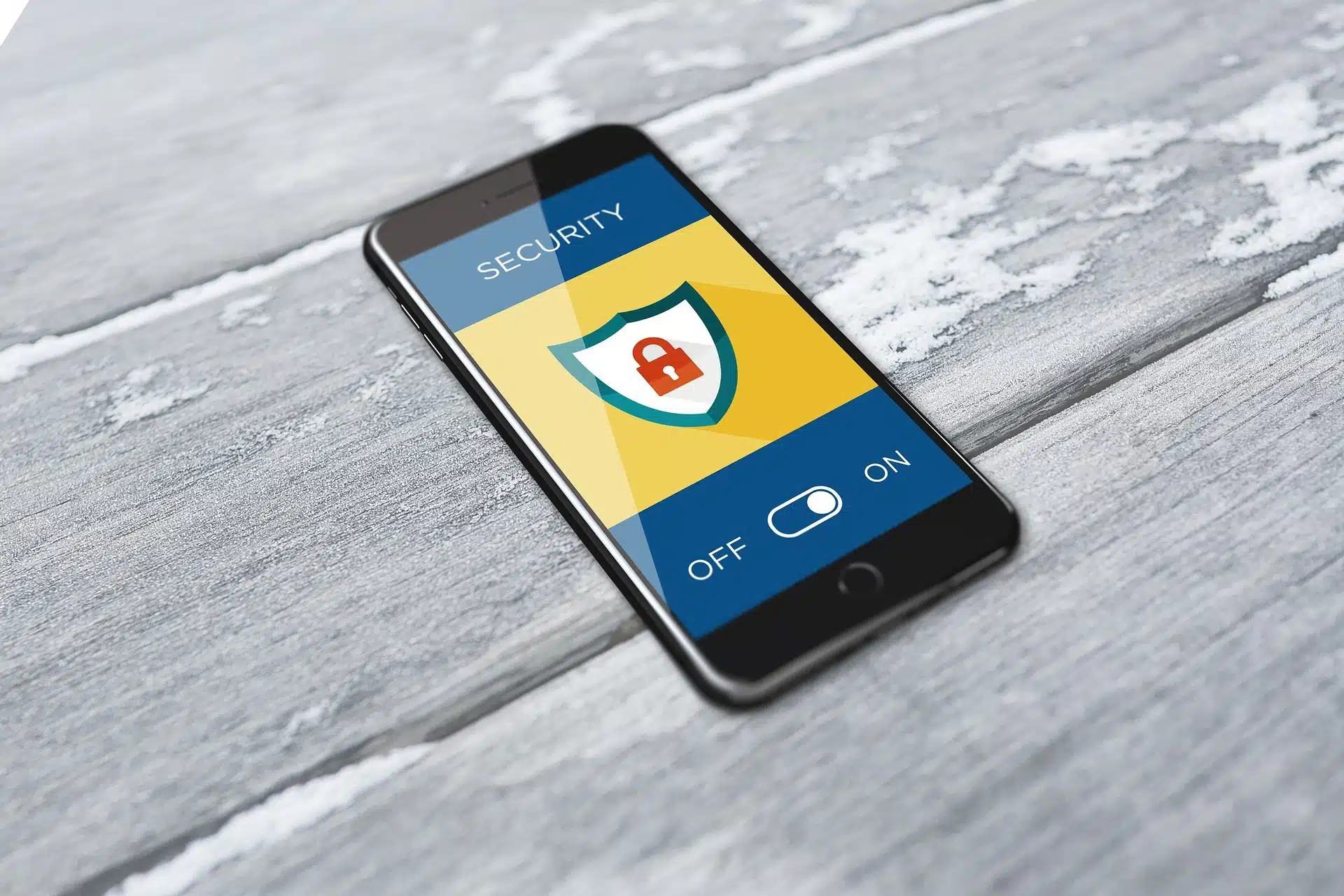 With all this in mind, what can you do to protect yourself? Ultimately, the most effective protection comes from safeguards that are an integral part of your network infrastructure, software and management right from the start.
You’re going to need a combination of personal vigilance and protective tools. A key step is finding a managed services provider to oversee your IT who understands the threats that exist and knows how to respond.
As technology progresses, so do the variety of threats to IT environments and sensitive information. Individuals and businesses need to protect against malware threats in their email, their cloud services and their information systems.
Given the advancements in cyber attacks, it’s imperative for businesses to protect their critical information from security threats. V2 Systems can help design safeguards that are an integral part of your network infrastructure, software and management right from the start.
Since 1995, Manassas Park, VA-based V2 Systems has employed local systems administrators, network engineers, security consultants, help desk technicians and partnering companies to meet a wide range of clients’ IT needs, from research, to implementation, to maintenance. Concentrate on your VISION…We’ll handle the TECHNOLOGY!