For a long time, many were using the cloud already — on iPhones, Androids and smart devices of all types — but not in business environments. Largely thanks to mandatory work-from-home policies, this has changed. But even before the pandemic, forward-thinking businesses realized that cloud computing offers the opportunity for increased productivity combined with managed costs. The best cloud providers deliver software over the internet, which eliminates the need to install and run these applications on local devices, simplifying maintenance and support.
Users are connecting to applications that run on a set of shared or pooled servers, rather than running on a single dedicated server. So, they are essentially outsourcing by having these computer services provided by someone else, which allows them to focus on what they need to get done.
Make a Plan for Cloud Transition.
Organizations in the government, commercial and non-profit sectors are adopting cloud services from all deployment models — software as a service (SaaS), infrastructure as a service (IaaS) and platform as a service (PaaS). The first step toward success is building a strategy. Transitioning your business to the cloud will take time and effort, and you need to have a plan in place for getting your processes, workloads and applications there.
Lay the Groundwork for Cloud Transition.
The next key will be managing the integrations needed to migrate to the cloud. Consider cloud options first; although, keep in mind that many organizations will turn to hybrid IT options, combining cloud services with traditional on-site hosting environments.
You will need high-quality data and research to bolster the many decisions necessary throughout the process:
- What do you want to achieve by moving to the cloud?
- Which are the best workloads to move to the cloud?
- What skills will your IT team need to make this move happen?
- What will all of this mean for the bottom line?
Hire an Expert on Cloud Transition.
The expertise of a strong cloud service provider can help you answer those questions and establish a pathway to success by spearheading the necessary tasks from risk assessment to strategy development to project planning. The provider should also help structure management for the entire migration project, with a focus on your successful business outcome.
For government agencies and contractors, in particular, look for a knowledgeable team that understands how to design, build, manage, maintain and monitor specialized government cloud solutions.
Reap the Rewards of Cloud Transition.
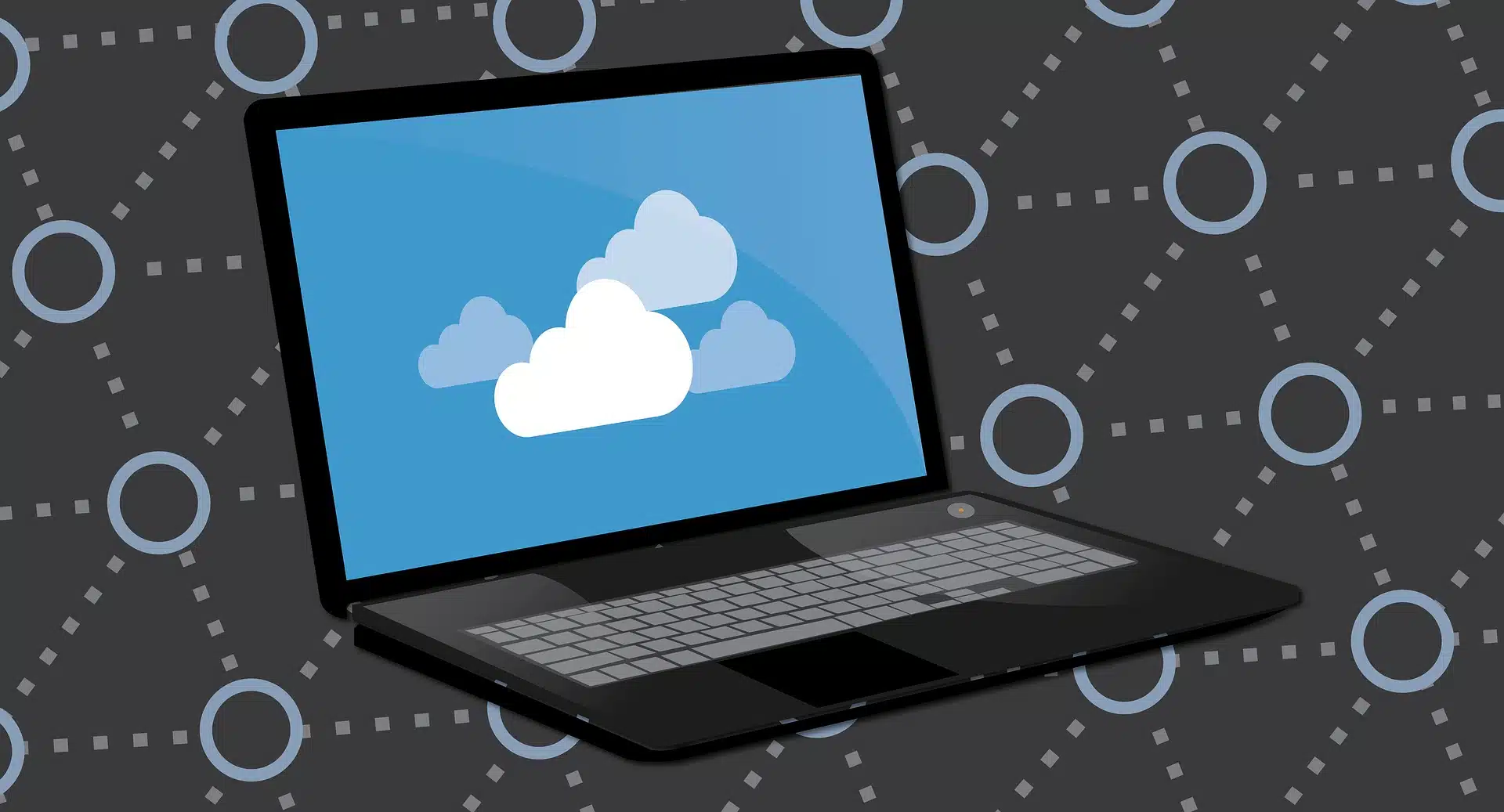 By successfully migrating some or all of your business to the cloud, you will reap the rewards that have made the cloud a frontline business solution. These benefits include:
- Reducing initial costs and eliminating additional costs for your IT infrastructure
- Allowing your staff to work faster and smarter by focusing on strategic priorities
- Leveraging economies of scale to obtain greater resources at a reduced cost
If 2020 has shown us anything, it’s that in the end, organizations that survive are the ones that turn disadvantages into advantages. With extensive experience implementing cloud computing and cultivating client relationships, V2 Systems can guide you to successful results in leveraging cloud computing solutions adapted to your business.
Your business, in turn, can adapt to everything else the world throws at it.
Since 1995, Manassas Park, VA-based V2 Systems has employed local systems administrators, network engineers, security consultants, help desk technicians and partnering companies to meet a wide range of clients’ IT needs, from research, to implementation, to maintenance. Concentrate on your VISION…We’ll handle the TECHNOLOGY!