In this year alone, ransomware attacks and data breaches are occurring at such frequency that it’s now become almost commonplace. When we hear it in the news, we simply shrug our shoulders and say, “Oh great, another one.”
The fact that it happens so often should not soften the severity of it. If anything, it should raise our state of alarm even higher. The problem is, we’ve become so fatigued by alarm. How do you remain vigilant despite this fatigue?
Privacy Alarm
Privacy is one of the top concerns for Americans right now, and with very good reason. It seems like every week some major headline breaks out about how our personal data has been leaked from database XYZ and possibly made available to anyone with internet access. Names, addresses, telephone numbers, Social Security numbers and credit card numbers are all up for grabs by anyone willing to spend some Bitcoin on the dark web. It’s gotten to the point where we acknowledge the risk every time we make a purchase — not just online, but also offline. This level of insecurity and wariness isn’t sustainable from either an individual or business standpoint.
Healthcare Alarm
Regardless of what your business is, one way or another your company or organization is linked to consumers. No matter how far separated you are from those consumers, their livelihoods and their trust in you will affect your bottom line, either directly or indirectly.
All businesses should keep the very real threat of liability and customer well-being in mind. The healthcare industry, for example, is required to follow a very strict set of rules known as the Health Insurance Portability and Accountability Act of 1996, or HIPAA. In a nutshell, it’s a complex list of procedures designed to keep patient data safe. Following HIPAA guidelines is especially important right now, due to the fact that ransomware attacks on hospitals have been seeing a tremendous increase since COVID-19.
Not everyone follows the rules however, and when that happens, not only do patients suffer, but companies and employees are also severely penalized. Your business could potentially be held liable in much the same way. But beyond simple legal liability, it’s about trust. There is always huge backlash that accompanies data breaches, and you want your organization to maintain its integrity and positive reputation.
Pipeline Alarm, Police Alarm, COVID Alarm and Alarm Alarm.
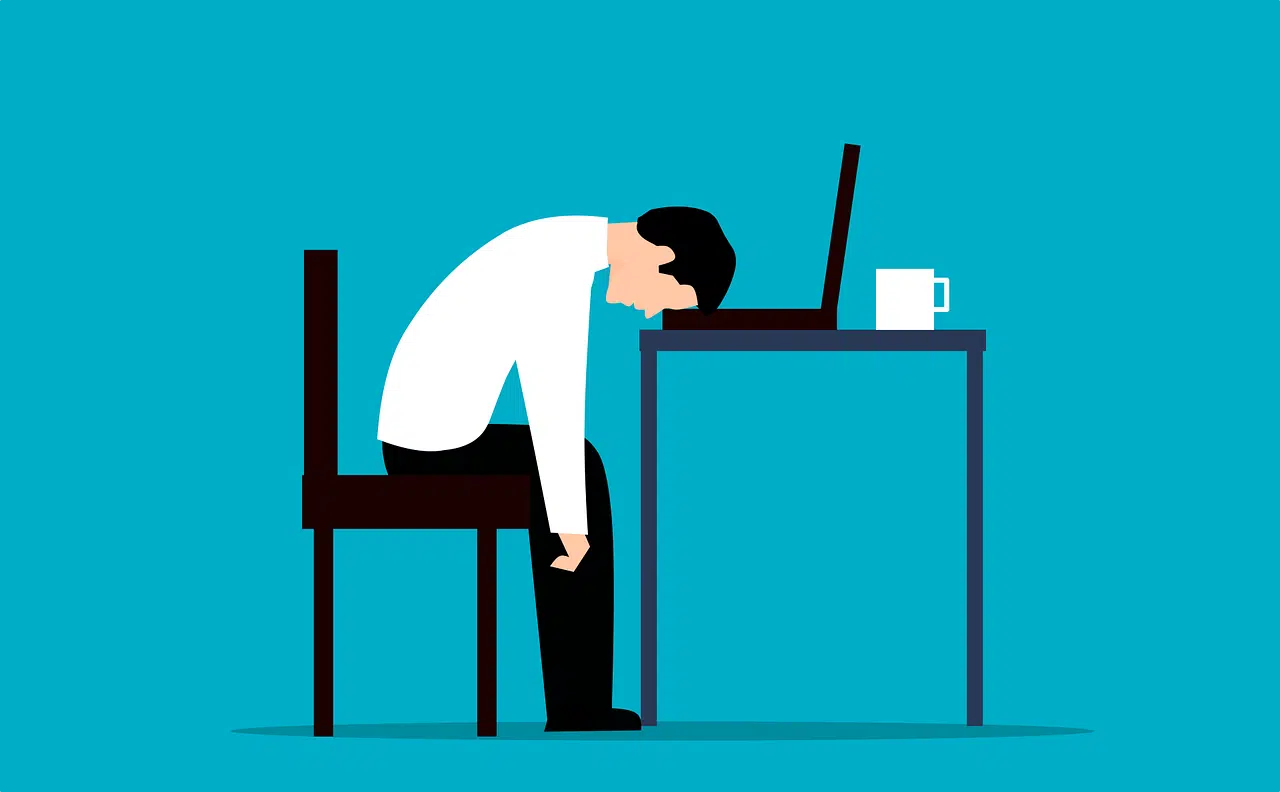 We’ve been attacked more than once this year. From the Colonial Pipeline to hospitals, police departments and businesses of all sizes, no industry has been left untouched. And of course, the COVID-19 pandemic continues amidst all of this. So, yes. You’re tired. Rightfully so. You’re tired of hearing the alarm sirens every single time another data breach or ransomware attack comes to light. You’re tired of worry and jumping at every new piece of news.
Don’t forget, though, there are good reasons for those sirens to be blaring. As exhausted as you are, don’t give in to the desensitization. Stay vigilant, because it’s not a case of the boy who cried wolf. The threats are real, and we’re actually being affected by them.
BUT, remember, you’re not alone. You don’t have to shoulder these burdens by yourself. With us in your corner, you can finally rest easy. Give us a call today.
Since 1995, Manassas Park, VA-based V2 Systems has employed local systems administrators, network engineers, security consultants, help desk technicians and partnering companies to meet a wide range of clients’ IT needs, from research, to implementation, to maintenance. Concentrate on your VISION…We’ll handle the TECHNOLOGY!