In an article we wrote as far back as 2019, we mentioned that one of the strongest tools in our arsenal was one that we ourselves at V2 Systems make use of: Cisco Umbrella. We then outlined in detail why we thought it was such a useful utility. But now that we’ve arrived in 2021, do products such as Umbrella and Meraki MR still pair up well with each other?
The short answer is yes — they absolutely do. Because Meraki MR is also technically a Cisco product these days (Meraki was actually acquired by Cisco in 2012.), it integrates seamlessly with Umbrella. They were essentially made for each other. Here’s what Meraki MR is and how Umbrella works within a Meraki network.
What is Meraki MR?
Meraki’s MR product series offers a cloud-based wireless system with mobile management capabilities. If personal computers, laptops, smartphones and other mobile devices were cars on a highway, a Meraki MR device would be that highway — as well as the police, emergency vehicles and signposts that regulate it all. Be it PC or Mac, phone or tablet, it provides complete unified management of these devices as well as the entire network, all from a centralized dashboard.
From here, a business or organization may enforce device security policies, deploy software and apps, and perform remote, live troubleshooting on thousands of managed devices.
How does Cisco Umbrella work with Meraki MR in 2021?
Meraki MR and Cisco Umbrella are a dynamic duo, to say the least. Or, “a match made in the cloud,” if you prefer.
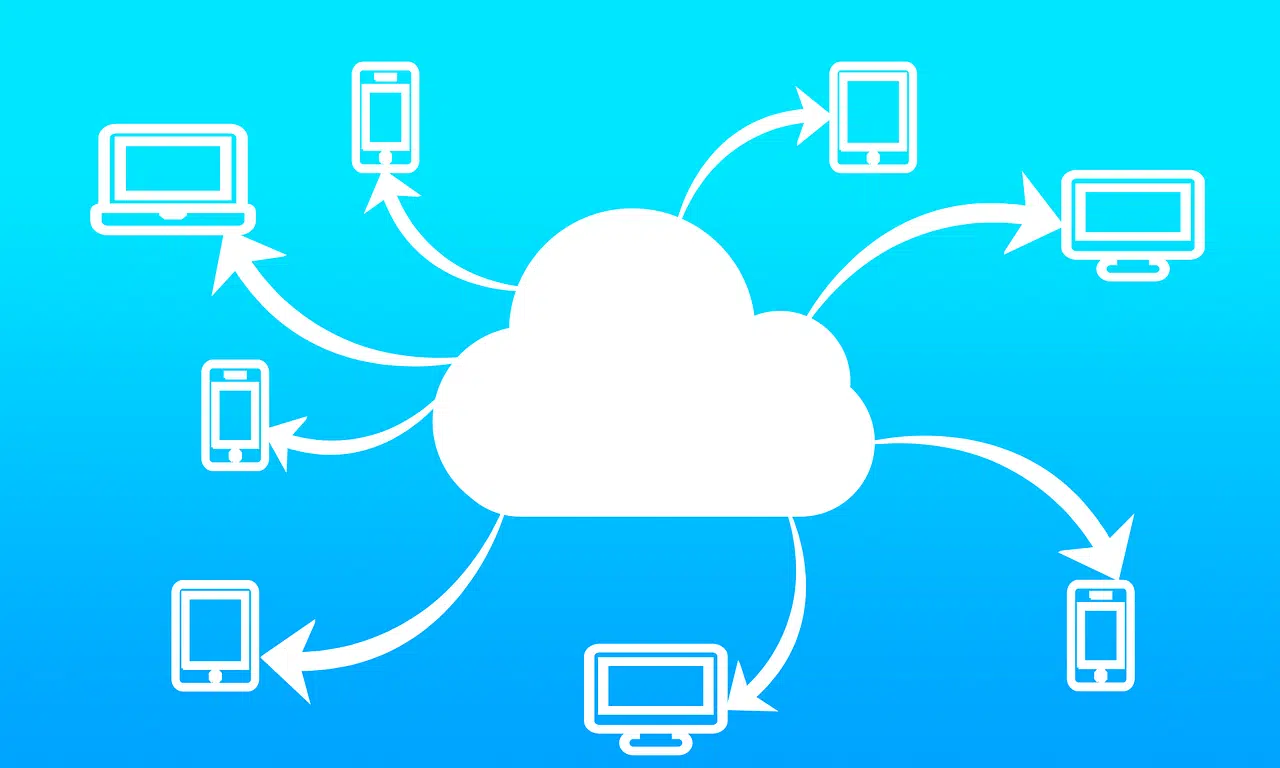 This integration is the absolute easiest and fastest way to deploy Umbrella across a wireless network. Additionally, it allows networking and security administrators to conveniently enable Umbrella policies directly within the Meraki dashboard itself. Everyone on your entire Meraki network will be protected under Umbrella, against threats like malware, ransomware and C2 callbacks — all with no added latency whatsoever to interfere with productivity.
When Cisco Umbrella is used over a Meraki network, it blocks users from connecting to malicious sites BEFORE a connection is made. That means less remediation (which saves time and money) and less risk of breach damage. Simply put, Umbrella acts as the first line of defense against threats for every user on a Meraki network.
Is a Meraki network running Cisco Umbrella the right solution for your organization in 2021? We think it probably is, or else we wouldn’t have taken the trouble to tell you about it. If you have questions about it and how it works, or would like us to walk you through all of your options, just give us a call. We’re here to help you find your best fit, and we know these products inside and out.
Since 1995, Manassas Park, VA-based V2 Systems has employed local systems administrators, network engineers, security consultants, help desk technicians and partnering companies to meet a wide range of clients’ IT needs, from research, to implementation, to maintenance. Concentrate on your VISION…We’ll handle the TECHNOLOGY!