The cybersecurity landscape is evolving at a breakneck pace, and small businesses are finding themselves increasingly in the crosshairs of sophisticated cybercriminals. Limited resources and expertise often leave these businesses more vulnerable than their larger counterparts. To stay ahead, it’s critical to understand emerging threats and adopt strategies to mitigate them. Managed Service Providers (MSPs) play a pivotal role in safeguarding small businesses against these challenges. Let’s dive into the top cybersecurity trends for 2025 and how MSPs can help small businesses navigate them.
AI-Driven Threats
Overview: Artificial Intelligence (AI) is no longer just a tool for legitimate businesses—cybercriminals are leveraging AI to launch increasingly sophisticated attacks. Techniques like deepfake scams, AI-enhanced phishing campaigns, and automated vulnerability scans are making it easier for attackers to breach systems. AI’s ability to mimic human behavior and create convincing fake content adds an alarming layer of complexity to these attacks.
Impact on Small Businesses: With fewer resources to dedicate to advanced threat detection, small businesses are particularly vulnerable to these AI-driven tactics. Phishing emails generated by AI are more convincing and can bypass traditional detection methods. Automated vulnerability scans can expose weak points in systems faster than ever, leaving small businesses scrambling to patch them. The speed and precision of these attacks can overwhelm even the most diligent teams.
MSP’s Role: MSPs use cutting-edge AI-based security tools to identify and neutralize threats in real time. By monitoring for unusual activity and deploying predictive analytics, MSPs can help small businesses stay one step ahead of cybercriminals. They also provide continuous updates to threat detection algorithms, ensuring that defenses remain robust against evolving AI-driven strategies.
Zero Trust Architecture
Definition: Zero Trust Security operates on the principle of “never trust, always verify.” It requires continuous authentication and strict access controls to protect sensitive data. Unlike traditional models, Zero Trust assumes that threats can exist both inside and outside the network, enforcing rigorous verification at every level.
Why It’s Essential for 2025: With remote and hybrid work environments becoming the norm, traditional perimeter-based security models are no longer sufficient. Employees accessing company data from multiple devices and locations create numerous entry points for attackers. Zero Trust ensures that access to resources is granted only after rigorous verification, reducing the risk of unauthorized access.
MSP’s Role: Implementing a Zero Trust framework can be complex, but MSPs make it manageable by designing, deploying, and maintaining tailored solutions for small businesses. MSPs assess existing infrastructure, identify vulnerabilities, and establish policies that ensure only verified users and devices can access sensitive systems. They also provide ongoing monitoring and updates to keep the Zero Trust model effective against new threats.

Cloud Security Challenges
Trends for 2025: Cloud adoption continues to surge as businesses seek scalability and cost efficiency. However, this shift brings increased risks, including misconfigurations, unauthorized access, and vulnerabilities in third-party services. Attackers are also targeting cloud storage systems, exploiting weak access controls to exfiltrate or encrypt critical data.
Small Business Risks: Without dedicated IT teams, small businesses often struggle to secure their cloud environments, leaving them exposed to potential breaches. Misconfigured cloud settings are among the most common vulnerabilities, allowing attackers to bypass security protocols and gain unauthorized access to sensitive information.
MSP’s Role: MSPs offer specialized expertise in cloud security, ensuring that small businesses can leverage the benefits of the cloud without compromising on safety or compliance. They conduct regular audits of cloud configurations, implement advanced encryption protocols, and provide 24/7 monitoring to detect and respond to threats in real time. MSPs also ensure compliance with industry standards, reducing the risk of regulatory penalties.

Ransomware Evolution
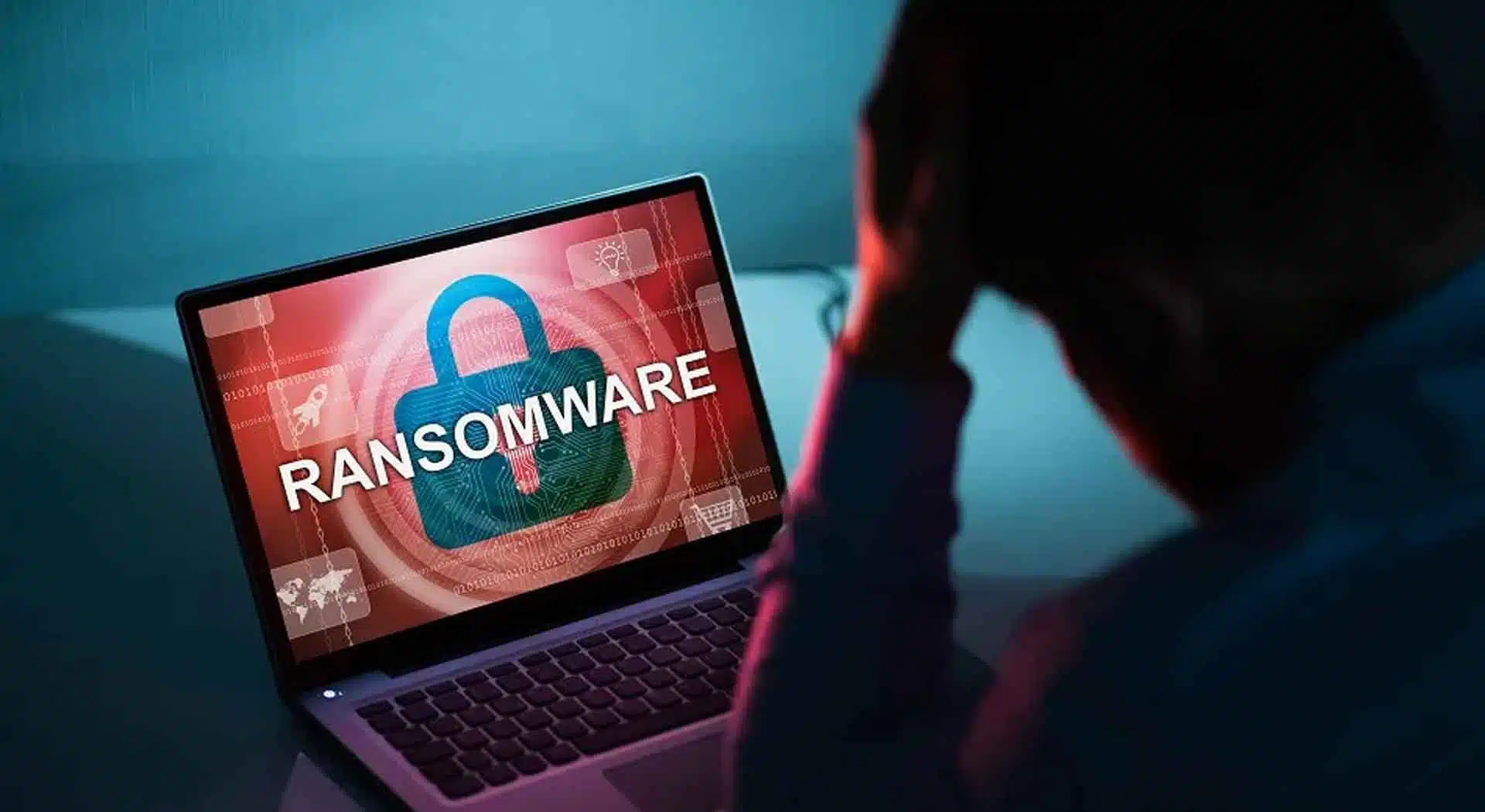
What’s New in 2025: Cybercriminals are evolving their ransomware tactics, incorporating double extortion schemes and targeting backups to maximize their impact. In addition to encrypting data, attackers now threaten to release sensitive information unless a ransom is paid, creating additional pressure on victims.
The Cost to Small Businesses: A successful ransomware attack can devastate a small business, leading to significant financial losses and damage to its reputation. Recovery can take weeks or months, with costs including downtime, legal fees, and potential fines for data breaches. For businesses without robust backups, the consequences can be catastrophic.
MSP’s Role: MSPs provide proactive ransomware prevention, robust backup solutions, and rapid incident response plans to minimize downtime and loss in the event of an attack. By deploying advanced threat detection systems and isolating infected systems, MSPs can contain attacks before they spread. Their comprehensive backup strategies ensure that businesses can recover quickly without paying a ransom.
Emphasis on Employee Training
The Human Element: Employees remain one of the most significant vulnerabilities in any organization. Phishing scams and social engineering attacks exploit human error to gain access to critical systems. A single click on a malicious link can compromise an entire network.
Trends for 2025: Innovative training methods like gamification and simulated phishing campaigns are making cybersecurity awareness more engaging and effective. Regularly updated training programs educate employees on recognizing the latest tactics used by cybercriminals, such as spear phishing and business email compromise.
MSP’s Role: MSPs offer comprehensive training programs to empower employees, transforming them into the first line of defense against cyber threats. These programs include interactive workshops, real-world simulations, and ongoing assessments to ensure that employees remain vigilant. MSPs also provide resources for reporting suspicious activity, fostering a culture of security awareness.
Conclusion
As we look ahead to 2025, the cybersecurity landscape presents both challenges and opportunities for small businesses. AI-driven threats, the adoption of Zero Trust principles, cloud security challenges, evolving ransomware tactics, and the need for robust employee training all underscore the importance of a proactive approach. Partnering with an MSP like V2 Systems ensures that small businesses have the tools, expertise, and support needed to stay secure in this ever-changing environment.
Don’t wait for a cyber incident to take action. Contact V2 Systems today for a complimentary two-hour cybersecurity consultation and discover how we can help future-proof your business against 2025’s emerging threats. We work with clients nationwide, ensuring tailored solutions for businesses of all sizes.
For more insights, check out our related blogs: “Emerging Cyber Threats: What to Watch Out for in 2025” and “Demystifying Zero Trust Security.”
Since 1995, V2 Systems has employed local systems administrators, network engineers, security consultants, help desk technicians and partnering companies to meet a wide range of clients’ IT needs, from research, to implementation, to maintenance. Concentrate on your VISION…We’ll handle the TECHNOLOGY!