Are you familiar with HIPAA?
If you work in the health care industry in any capacity, you definitely should be. The Health Insurance Portability and Accountability Act of 1996 (HIPAA) is a federal law that required the creation of national standards to protect sensitive patient health information from being disclosed without the patient’s consent or knowledge.
In the wake of COVID-19, following HIPAA guidelines has suddenly become more important than ever. Here’s why.
Cyberattacks on Hospitals Are Rising During the Pandemic.
On Wednesday, Oct. 28, the Cybersecurity and Infrastructure Security Agency, the Department of Health and Human Services, and the FBI all issued a joint advisory that U.S. hospitals are being hit by coordinated ransomware attacks designed to infect systems for financial gain. Attacks on hospitals have been steadily increasing since the start of the COVID-19 pandemic — making an already dangerous situation even more life-threatening. In the joint advisory, they strongly urge institutions to take necessary precautions to protect their networks.
Data Breaches on Hospitals Affect Patients for Years.
A hack that took place back in 2010 couldn’t possibly affect you nine years later, could it? Unfortunately, the answer is a resounding yes. Dominion National is an insurance company that deals in health plans and dental and vision benefits packages. Hackers gained access to its servers in 2010. It wasn’t until last year in 2019 that the breach was officially discovered. The investigation of the Dominion National data breach determined that the people most at risk are current and former customers, as well as any health providers themselves that offer Dominion National plans to their clients. That’s a pretty huge impact over the space of nine years. Just to give one example, in the state of Delaware alone, the Delaware Department of Insurance said the incident could affect 10% of the state’s entire population.
Breaking HIPAA Comes With Heavy Fines.
There’s a hefty price tag for not complying with all HIPAA regulations. “Willful neglect with no corrective action” is defined as a “conscious, intentional failure or reckless indifference” to the law. We’ve reached a point where it is very difficult for organizations to claim ignorance of it, and if it looks as though you haven’t even bothered to make the necessary changes, there’s a good chance you could be hit with this very serious charge. This would land you with a nasty $50,000 minimum penalty for each violation and could cost your organization up to a whopping $1,500,000 annually.
Your Patients Are Putting Their Trust in You.
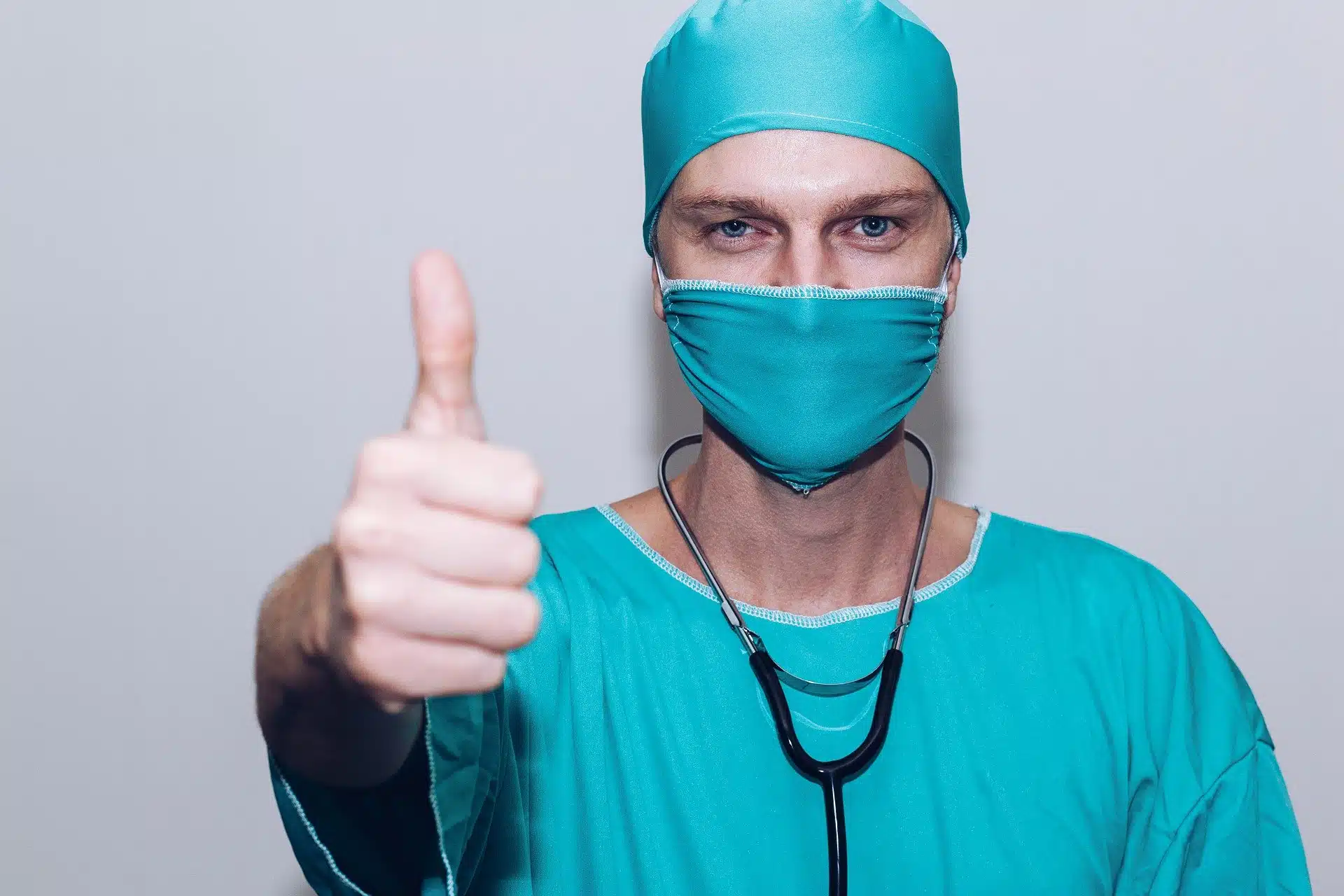 Your reputation is on the line. You’re expected to take care of your patients as well as their personal data. There are many ways to negatively impact someone’s life, and not all of them are strictly medical. Whether you’re a doctor or a data entry clerk, “do no harm” should be the mantra for every employee in the medical industry. At V2 Systems, let us share the burden so you can focus on what matters: the lives and care of those who are putting their trust in you.
Since 1995, Manassas Park, VA-based V2 Systems has employed local systems administrators, network engineers, security consultants, help desk technicians and partnering companies to meet a wide range of clients’ IT needs, from research, to implementation, to maintenance. Concentrate on your VISION…We’ll handle the TECHNOLOGY!