In the new global remote work environment, never before have data breaches been more dangerous — or more commonplace. But do you fully understand why they’re dangerous?
Even setting aside the personal ways they affect everyone involved on an individual level — and even setting aside the fact that they could allow a nation-state threat actor to steal and commit espionage against U.S. government contractors — they have the potential to severely disrupt, if not outright destroy, organizations and enterprises of all sizes. In light of recent events, today’s article outlines the various ways data breaches can harm your company and why cybersecurity needs to be moved to the forefront of everything you do.
The Financial Cost of a Data Breach
The sheer financial cost of a data breach is likely one of the most immediate and apparent consequences. According to a recent study, the cost of a data breach has risen more than 14% over the past five years. These costs can include compensating those who have been affected, the actual response efforts, the investigation of the breach itself, new security measures and legal fees. For those who operate outside the United States, there’s also the steep penalties that come with non-compliance with the General Data Protection Regulation. A breach can also significantly impact a company’s share price and overall stock value.
Finally, reputation can mean everything in business. Research has shown that up to a third of customers in retail, finance and health care will stop doing business with organizations that have been breached. Additionally, 85% will tell others about their experience, and 34% will take to social media to vent their anger. All of these factors together add up to a major impact on your brand and your company’s bottom line.
Downtime and your Bottom Line
In the aftermath of a data breach, business operations are heavily disrupted. Organizations need to contain the breach and conduct a thorough investigation into how it occurred and which systems were accessed. Operations may have to be completely shut down until investigators get all the answers they need. This process can take days or even weeks, depending on the severity of the breach. This downtime can have a drastic impact on a company, and even potentially put some people out of work entirely.
Lawsuits and Criminal Charges
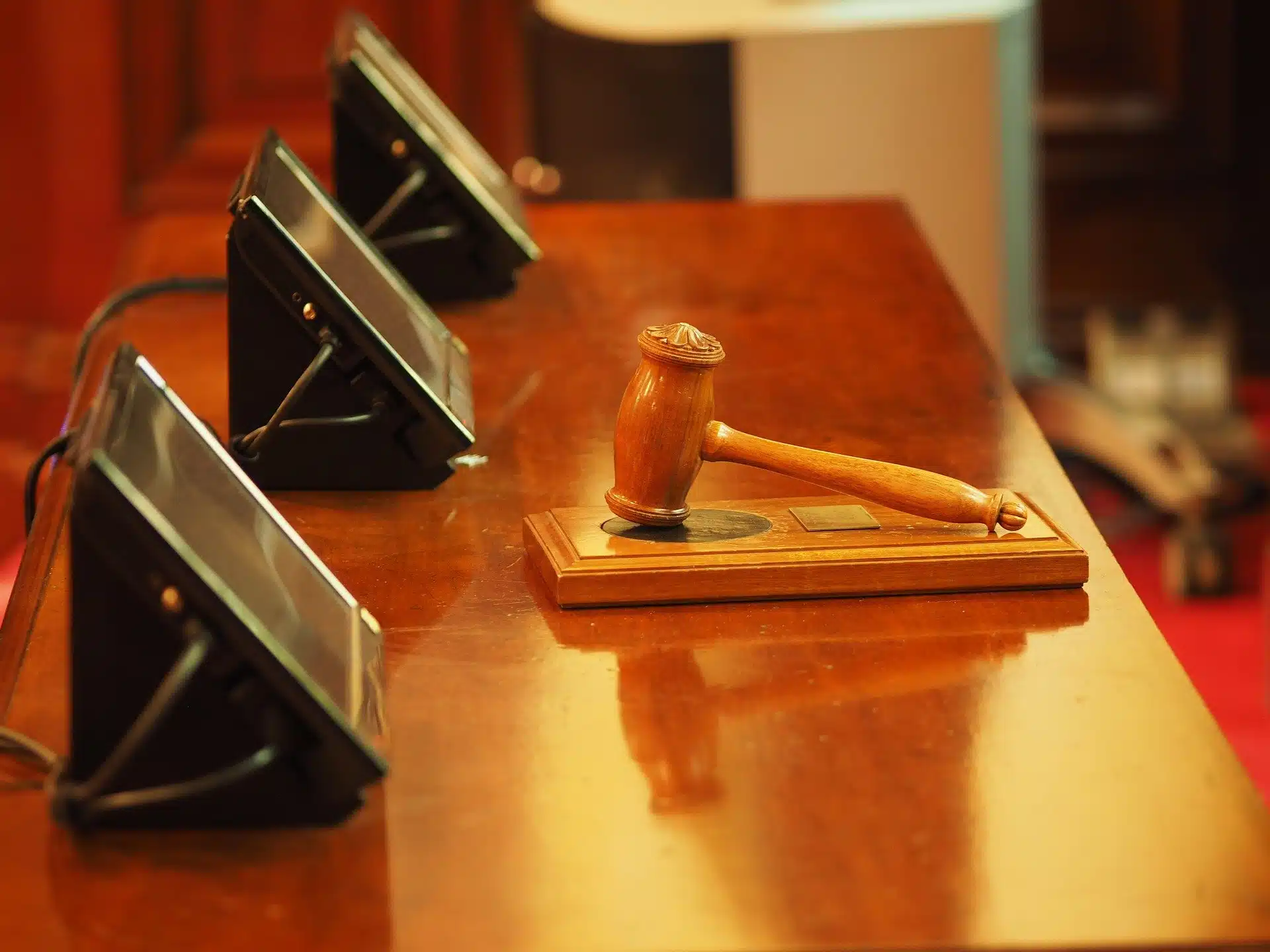 Under data protection regulations, organizations are legally bound to demonstrate that they have taken all the necessary steps to protect personal data. If this data is compromised, whether it’s intentional or not, individuals can seek legal action to claim compensation. And attempting to hide a data breach is even worse. Last August, federal prosecutors charged the former Uber security chief with obstruction of justice for hiding a 2016 data breach from Federal Trade Commission investigators.
While to this day the responsibility still falls largely on the consumer to keep their data secure, this may no longer be the case in the very near future. The question then becomes whether or not you’re prepared for the fallout should you disregard your security obligations.
Since 1995, Manassas Park, VA-based V2 Systems has employed local systems administrators, network engineers, security consultants, help desk technicians and partnering companies to meet a wide range of clients’ IT needs, from research, to implementation, to maintenance. Concentrate on your VISION…We’ll handle the TECHNOLOGY!